You can know someone's job title, the kind of business they run and the products they buy, yet still miss the question that matters to them today.
Those descriptions are useful. They help us organize an audience, recognize a pattern and begin a conversation. But the person we are trying to serve lives within circumstances a category cannot fully explain.
At Abstraction, we help bring both the idea and the people it is for into clearer view. What we learn about people shapes what we create. Giving an idea form gives us something more specific to explore with them, helping us understand what matters and what the work could become.
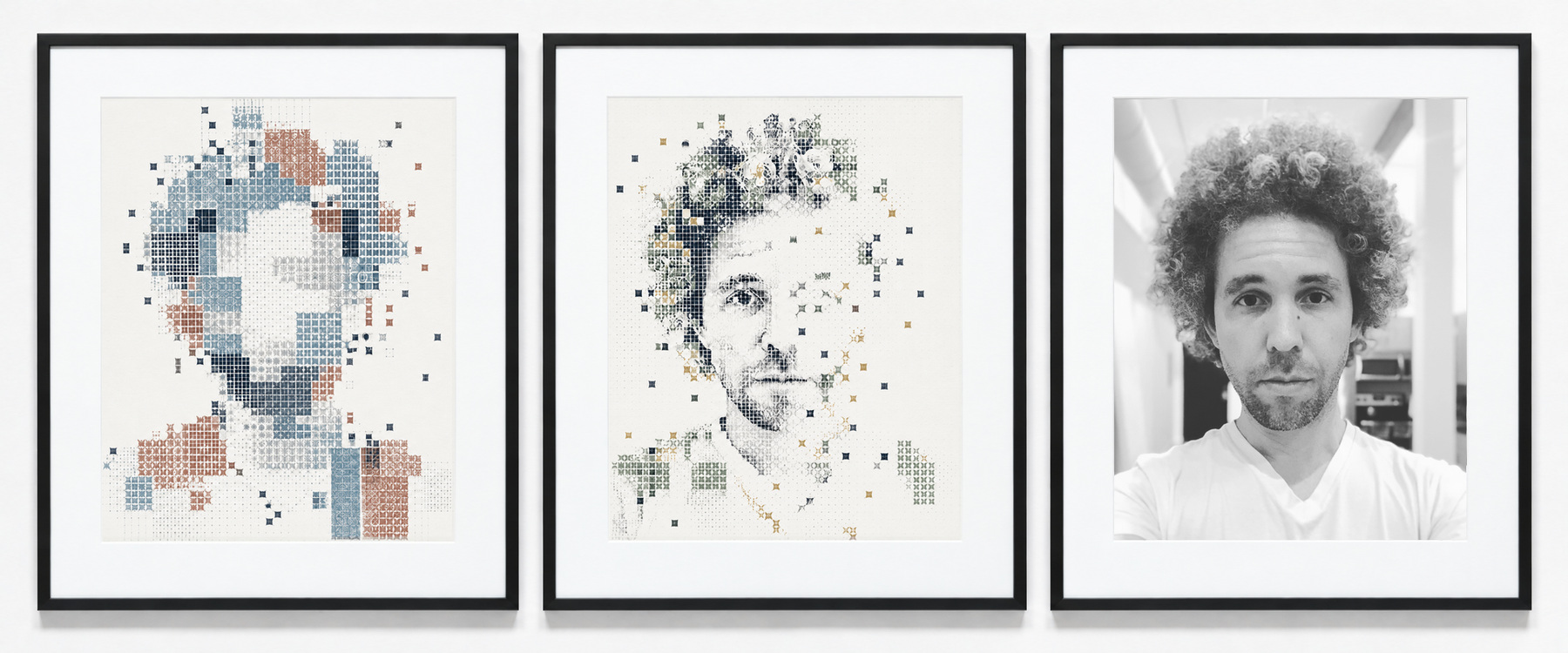
Our Gallery work, A Person Comes Into View, explores recognition and the possibilities within different representations of a person. The related question in our practice is what understanding allows us to make possible for them.
The idea and the people come into focus together
You may arrive wanting to design a website, develop a product or express a new direction for the business. There is an ambition behind that request, even if its most useful form is not yet clear.
We explore the idea with you and ask who it needs to serve. What are those people trying to accomplish? What would make this relevant to them? What do they bring to the experience that the first brief has not yet considered?
A sketch, a proposed explanation or a prototype can give those questions something tangible. Someone may recognize a possibility they could not previously describe, show us where the idea misses their situation or reveal a need that changes its direction. We investigate what those responses mean and bring the learning back into the design.
We make the reasoning visible as we go. You can see why one direction deserves more attention, what another leaves unresolved and which questions are worth exploring next. The developing work becomes something you can question and help shape, rather than a finished answer you are simply asked to approve.
As an idea takes shape, so can our understanding of who it is for.
From audience patterns to user personas
An audience gives us a broad view of the people a business wants to reach. Segmentation helps organize differences that matter to the work: needs, buying circumstances or stages in a relationship. Personas can bring those patterns into a more usable account of someone's goals, knowledge, motivations and difficulties.
Their value is in the decisions they help people make together.
A content writer can consider what needs explaining. A designer can examine what an interaction asks of someone. A marketing team can question whether a message answers the concern behind an inquiry. Shared understanding gives those contributors something more useful than their own imagined version of the customer.
The roles also matter. The person choosing a product may not be the person paying for it or using it every day. A buyer persona may emphasize how a choice is evaluated; a user persona may bring attention to what happens during use. Sometimes those responsibilities belong to one person. Sometimes several people need different kinds of help before the same decision can move forward.
User Research helps ground that account in what people contribute, what we observe and what the available evidence supports. An assumption-based profile can begin an investigation, but its assumptions should remain visible to the team.
A useful persona makes priorities easier to discuss. It can also reveal an opportunity: an explanation no one has offered, a task worth supporting or a more meaningful way to express the brand. It gives imagination a closer relationship with the people the work is for.
A useful picture of someone must leave room for them to correct it.
Let people help shape the understanding
Your team brings knowledge that matters: the questions customers ask, the reasons a conversation changes direction, the workarounds people rely on and the strengths that are difficult to communicate.
We begin with that knowledge and ask what would help us understand more. Where a decision needs direct participant research, we can frame the questions and coordinate appropriate work with specialist collaborators. The organization's view and the customer's experience can inform one another without being treated as interchangeable.
Empathy keeps us interested in what those differences mean to the person. Co-Creation lets the people contributing challenge an interpretation or recognize a possibility we would not have found alone.
We bring synthesis, imagination and professional judgment to that exchange. Clients and participants do not have to arrive with the design solution. Their contribution helps shape what the solution should make possible.
Follow the understanding through the experience
When we shape a retailer's buying experience with its team, we can begin by looking more closely at a familiar description: the customer who knows what they want.
Someone may have chosen a piece of furniture but still need to understand whether it will fit, arrive in time or be practical to receive. They may want to share the choice with a partner. Their uncertainty may concern the circumstances around the purchase rather than the product itself.
That understanding can change the marketing. A campaign might bring forward how the piece works in a lived space, while useful content helps someone judge fit or prepare for delivery. We explore what deserves emphasis, which channels can carry it and when the information becomes relevant. Marketing Strategy connects the invitation with the people it is intended to reach and the experience the business can deliver.
It also gives creative expression a purpose. The image, language and detail can help someone imagine the product in their life while preserving the brand's character. Relevance need not mean making everything purely functional or saying the same thing to everyone.
The website then has to develop the thought. Can someone understand the dimensions without translating them into a room unaided? Compare the options that matter? Save a selection and share it without losing their place?
User Experience Design, or UX, brings those questions into the structure and interactions. Content Design shapes the explanation; the interface gives it a form people can find and use. Access needs, different levels of familiarity and the circumstances of using the site belong in those decisions too.
Together, we explore what would genuinely help. A clearer explanation may do more than another feature. An existing interaction may already serve the need. The response should earn its place through what it makes possible.
The purchase does not finish the experience. The delivery information, the arrival of the product and the response to a question give the earlier promise its meaning. If someone has explained an access requirement, how does the relevant information reach the people arranging delivery? If the timing changes, how do they find out and understand their options?
Customer Experience Design, or CX, keeps that wider relationship in view. It connects the digital encounter with staff conversations, physical settings, service and support. The systems and processes behind the experience need to help the team follow through.
Marketing, UX and CX are distinct perspectives on work someone encounters as one relationship. We shape their connections with you rather than expect the customer to bridge the gaps.
Understanding matters when it changes what someone encounters.
The same person can need something different
A person discovering a category may welcome guidance that a returning customer no longer needs. Someone comparing known options may want a direct route to specifications. Later, that same person may return with an unfamiliar question and want help again.
Those are changing situations, not necessarily different kinds of people.
Personalization and Adaptive Experiences explores how content, guidance and interactions can respond. Someone might choose to explore an idea, compare options or resume a saved task. The experience can make those intentions useful without treating the first choice as a permanent identity.
We work with you to decide which differences deserve a response and what information is appropriate to use. People should be able to change direction, correct a preference or use an ordinary route without personalization. Sometimes a well-considered choice available to everyone is the simplest way to accommodate different needs.
The aim is not to know everything about someone. It is to understand enough of the relevant situation to offer something that helps—and leave them room to tell us otherwise.
Learn from the relationship as well as the action
The work gives us another opportunity to listen once people begin using it.
Do the explanations answer the questions they bring? Does the comparison support a useful decision? Does a clearer inquiry lead to a better conversation? Does the service fulfill the expectation the campaign created?
Conversion Rate Optimization, or CRO, connects investigation and improvement with meaningful actions. We look at what happened alongside what the evidence can explain. A completed purchase is one signal; the experience of receiving, using and getting support for it gives us more to consider.
Your team's observations, appropriate research and reliable measurement can help us interpret the response. We can learn that a change helped, that an explanation is still missing or that the original approach deserves to remain.
Our process carries that learning forward:
Discover → Define → Explore → Design / Develop / Market → Learn → Advance → Discover
Never the Same explores why this attention continues to matter. People and their circumstances move beyond the moment in which we described them. Our subscription relationship gives shared learning and ongoing review a practical place, with improvements and larger initiatives governed by the agreed scope.
The next conversation may change how we understand an earlier one. We want that new understanding to reach the work, rather than remain another detail in a profile.
Bring us the questions people keep asking
Perhaps your team has customer knowledge that has not found its way into the website. Perhaps your messaging attracts interest, but the next step feels disconnected. Or perhaps people need different kinds of help, and the current experience offers everyone the same route.
Bring us what you have noticed. We can make the connections visible, explore the possibilities and shape a response with you. You do not need to arrive with the cause or the solution already identified.
Understanding the situation together is part of the work.
Return to the Gallery
Encounter A Person Comes Into View in the Gallery