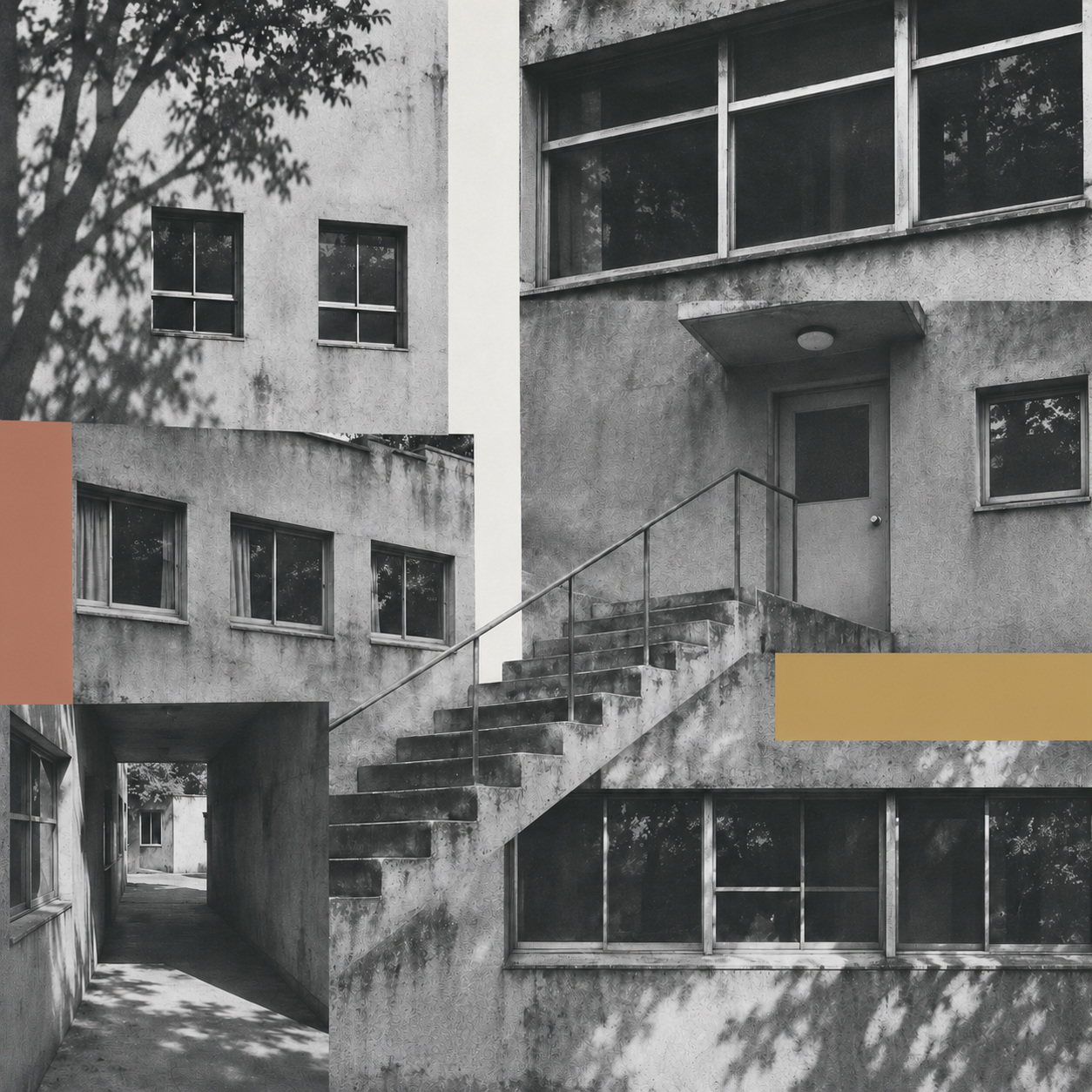
We often recognize something before we can explain what makes it familiar. A detail, a sequence or an expected relationship may be enough to orient us. When that relationship changes, the individual parts can remain recognizable while the whole becomes harder to understand.
This is useful to examine when redesigning an existing experience. Which elements help people know where they are? Which connections allow them to move from one part to another? A familiar label may lose its usefulness if it appears in a different sequence or leads somewhere unexpected.
Reconsider a familiar task in a new arrangement
Consider a public library moving a familiar reservation task into a redesigned website. The old page may be awkward, yet its names and sequence can carry knowledge for people who use it regularly. A new arrangement needs to be examined with that existing understanding in view.
We could compare a representative task across the current and proposed versions. What does someone recognize first? Which label helps them know they are in the right place? Does a familiar word lead to the same kind of action? A changed context can alter the usefulness of a detail that seemed dependable on its own.
The comparison should include people encountering the service for the first time and colleagues who help others use it. Their questions can reveal different kinds of familiarity. One person may rely on a remembered location; another may need an explanation of the task itself. Staff may recognize a name that does little to orient someone outside the organization.
These observations can inform an arrangement the client can question. We can preserve a useful reference, introduce a clearer relationship or explain a change at the point where it matters. Recognition becomes part of the design discussion rather than an assumption that the new version is inherently understandable.
Examine the relationship as well as the detail
We can look at recognition at several scales. A person may identify a particular object or image quickly, then need more context to understand its role. Another person may rely on the larger pattern and overlook the detail that a designer assumed would provide orientation.
At Abstraction, we can make these relationships visible through examples, content arrangements and prototypes. Comparing a familiar situation with a changed one helps us ask what should remain dependable and where a new connection needs to be explained.
Across the architectural and chair versions, A Different Kind of Familiar gives this question a photographic expression. A window, a stair, a seat edge or a chair joint retains its local credibility while the assembly interrupts its expected context. The works invite attention to the relationships that turn recognizable details into an understandable experience.
Return to the Gallery
Encounter A Different Kind of Familiar in the Gallery