A project changes as an idea meets the conditions of making it real. Materials, available resources, existing systems and the way people will use the result each introduce a different kind of resistance. Examining that contact can give the work a clearer form.
We begin by identifying which conditions are established and which remain assumptions. A site boundary may be fixed while an arrangement is open. An existing platform may need to remain while its content structure can change. Distinguishing these conditions creates a more useful space for design.
Work with a particular condition
Consider an independent retailer developing a clearer catalogue while retaining its current publishing platform. The ambition might include richer product stories, a more coherent visual language and simpler updates for the team. The existing content, available photography and platform each shape what can be done usefully.
We could begin with a representative product and the people who maintain it. Which information is dependable? Which image proportions are available? Where does a customer need a comparison, and what can the team keep current? A working example can bring these conditions into the design conversation before they are repeated across the catalogue.
The answer might change an arrangement, the order of information or the kinds of image the team needs. It could also reveal that an important requirement needs another technical approach. We can compare those choices with the client against the purpose, resources and practical commitments of the project.
This gives a constraint somewhere specific to act. The first design is allowed to develop as the team learns more about its setting. Creative judgment includes recognizing which pressure strengthens the proposal and which difficulty asks us to revisit an assumption.
Let the form develop through evidence
A practical study can then expose the relationship between them. A model might reveal a difficult junction; a prototype might show that two individually reasonable requirements create an awkward interaction. We can respond at the scale where the difficulty occurs, then reconsider its effect on the whole.
At Abstraction, this means keeping the original purpose in view while allowing the form to develop through evidence. A change can strengthen an idea by giving it a more workable arrangement. Sometimes the encounter also reveals a question that needs to be reconsidered with the people involved.
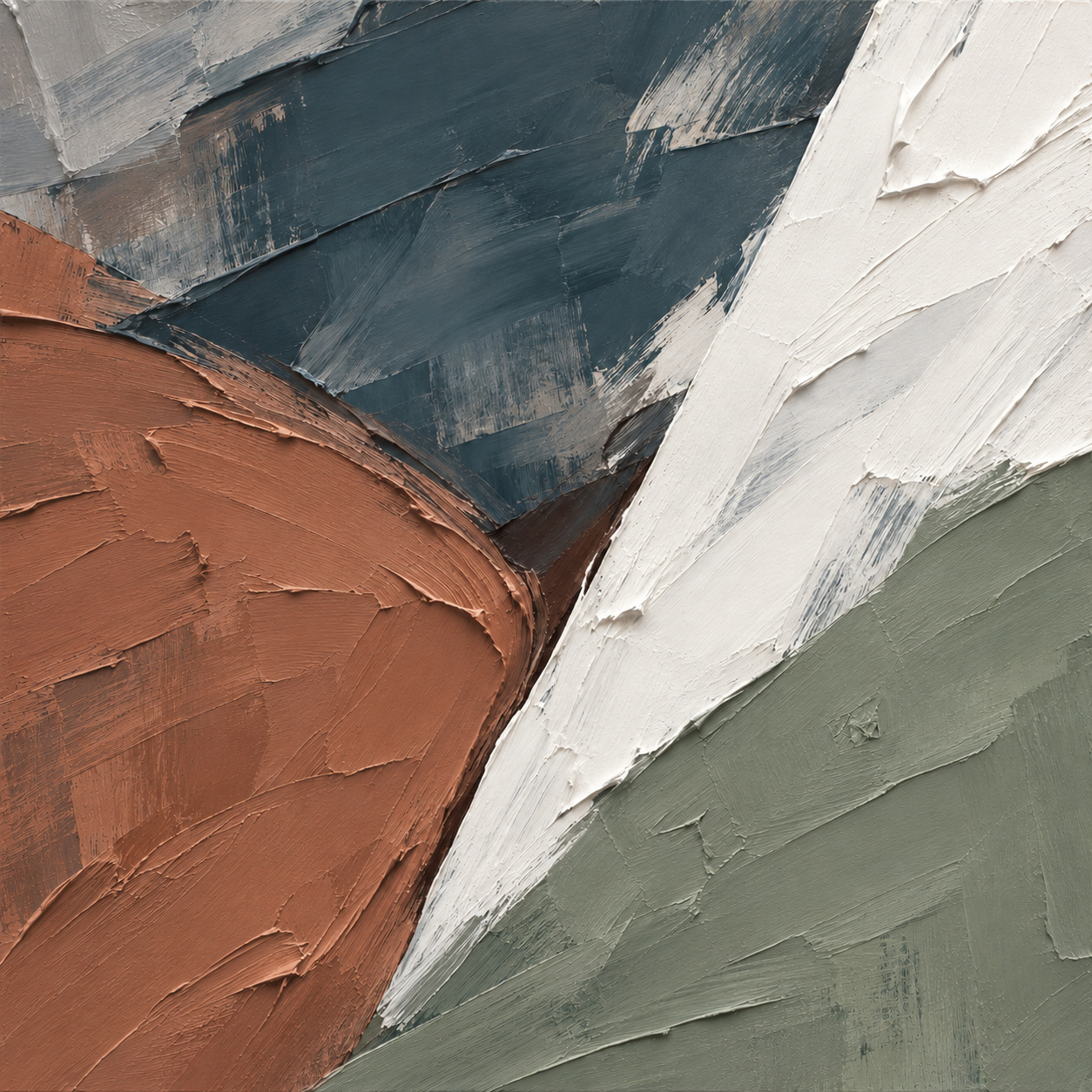
Toward Something Real holds these forces in one compressed field. Its different masses retain their character, and the structure emerges through their contact. That offers a way to think about the useful pressure between possibility and practical conditions.
Return to the Gallery
Encounter Toward Something Real in the Gallery