An arrangement can work well for its present purpose and still need room to change. A service develops, a team grows or a person approaches a task in a way that was not anticipated. Considering those possibilities can influence the structure from the beginning.
We can start by identifying which relationships need to remain dependable. These might include the sequence of a task, a shared source of information or the way a person understands the available choices. Around that core, some parts may be able to move, combine or take on another role.
Test a plausible next arrangement
Consider a community arts programme adding venues and new kinds of event. Its first website may have been shaped around one room and a familiar weekly schedule. As the programme develops, that arrangement can ask the team to repeat information or make exceptions in unexpected places.
We could examine one current event beside a plausible addition. Which information belongs to the event, which to its venue and which to a particular date? Where should a change to one of those things appear? Making the relationships tangible helps the team discuss what needs a stable home and what should be able to vary.
A prototype can show both the present programme and the proposed addition. The client can assess whether the categories make sense, whether an editor can maintain them and whether a visitor can understand the available choices. The design can then respond to an actual pattern of change rather than a prediction that everything must remain flexible.
Some decisions may sensibly stay simple until another need appears. Recording that judgment is useful too. A structure can include a clear way to revisit a boundary, with enough context for the next person to understand why it was drawn there.
Keep a dependable core and meaningful alternatives
Flexibility becomes useful when the possible changes are understandable. A collection of independent pieces still needs a clear way to hold together. We can make the boundaries between parts explicit and consider what happens when one is added, removed or rearranged.
At Abstraction, prototypes and practical examples can help us examine these conditions. We can test the current arrangement alongside a plausible next one, asking what would need to change and what could remain. This gives adaptability a specific form rather than leaving it as a general aspiration.
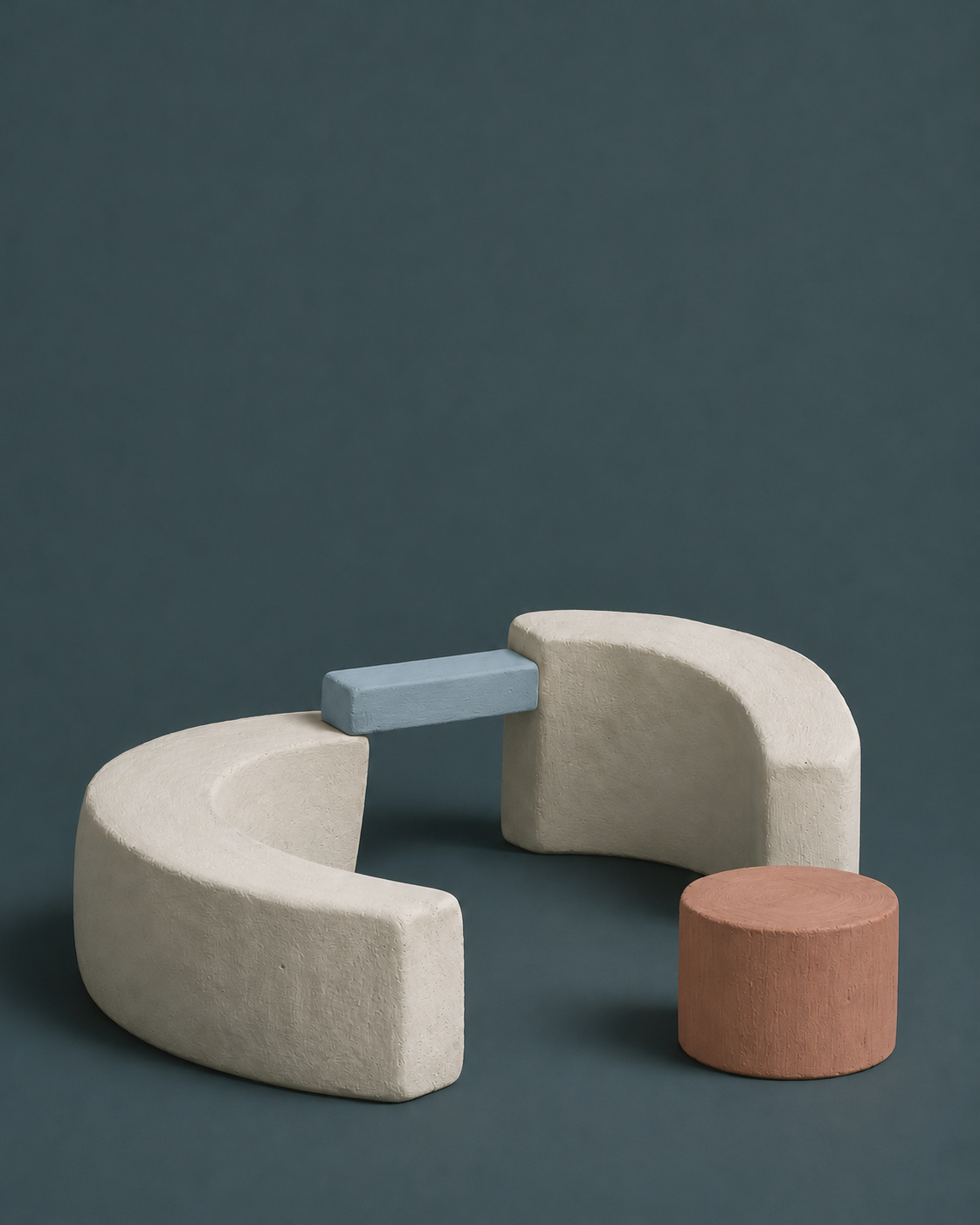
Room to Reconfigure offers a small spatial encounter with this question. Its parts have weight and distinct relationships to an opening. The intervals preserve a possibility of participation, including the possibility that another contribution could change the arrangement in a useful way.
Return to the Gallery
Encounter Room to Reconfigure in the Gallery